Paris for First Timers: Three Days Built Around Markets, the Marais, and One Day in Normandy
By Curious Traveller ·
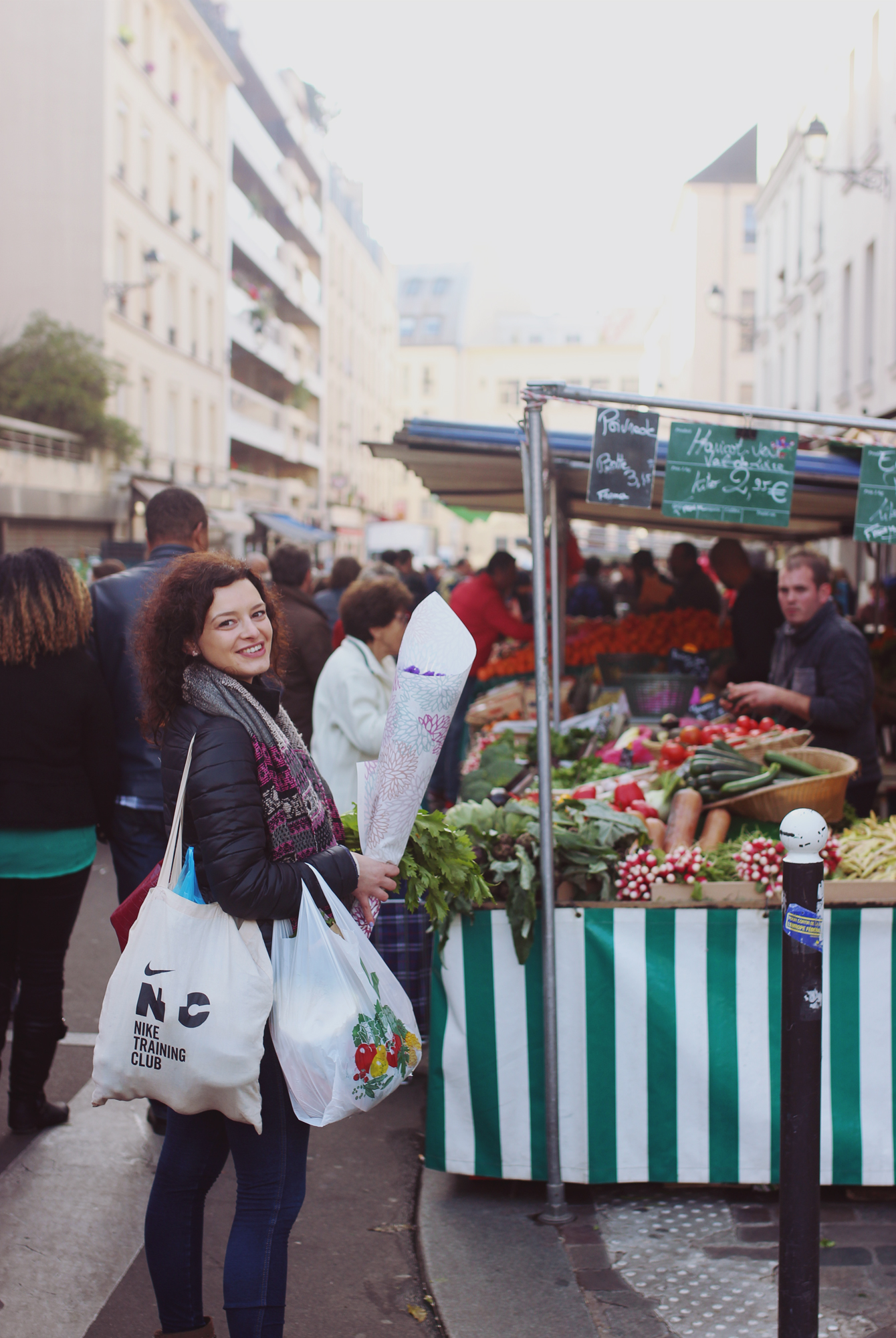
Paris does not need another list of monuments. It needs a plan that puts you in the right arrondissement at the right hour: the market before the museum, the Marais on foot rather than from a bus window, and dinner where the kitchen closes at ten because the cook goes home. This is three days for a first visit, built the way a Parisian friend would build it for you, plus one day out of the city, because the Normandy coast is closer than most first-timers realise and more memorable than a second museum.
Day One — Aligre Market, Then The Louvre At The Quiet End
Start east, not centre. The Marche d’Aligre, a short walk from Bastille, is a working market rather than a photographed one: a covered hall, a street of produce stalls, and a flea market of plates and lamps spilling onto the square. It runs mornings, Tuesday to Sunday, and is at its best before ten. Aligre Food Market Walking Tour near the Marais walks it with a local who knows which cheese counter to trust and ends with a tasting that doubles as lunch. The sister route, Bastille & Paris Best Market Food Tour!, does the same from Bastille with a different set of stalls.
Then the Louvre, which is closed on Tuesdays and is least crowded late in the day. Enter from the Carrousel side rather than the pyramid, go straight to one wing, and leave after two hours. Nobody has ever regretted seeing less of the Louvre properly.
Day Two — The Marais On Foot, Pigalle After Dark
The Marais is the part of central Paris that Haussmann never reached, which is why the streets still bend. Walk it from the Place des Vosges west through the Jewish quarter on Rue des Rosiers to the Picasso museum, and then north into the quieter upper Marais, where the shops are smaller and the cafes are cheaper. Sunday is the one day the Marais shops are open and most of the city’s are not, which makes it the right day for this walk.
In the evening go north. Pigalle has spent a century being the city’s red-light district and the last decade becoming its bar district, and the two layers sit on top of each other. Crimes et plaisirs autour de Pigalle is a walk through that history with a guide who tells it as the crime-and-pleasure story it is, which is more honest than the cabaret version.
Day Three — Normandy In A Day
Two different Normandy days are possible from Paris, and they are not the same trip. The first is the D-Day coast: Omaha Beach, the American Cemetery at Colleville, Pointe du Hoc, with the drive out through the bocage. It is a long day and a quiet one, and it is better private than in a coach, because you will want to stop where you want to stop: Normandy D-Day Beaches and Memorials Private Tour from Paris is built for exactly that. The second is the painters’ Normandy: Rouen’s cathedral, the harbour at Honfleur and the chalk arches at Etretat that Monet painted thirty times. Normandy Odyssey: Private Day Trip to Rouen, Honfleur, and Étretat from Paris runs that circuit with the Etretat clifftop walk included, and it is the better choice if nobody in the party has a family reason to stand on the beaches.
Mont Saint-Michel is a third option and a longer one; Breton Bliss: Paris Small Group Day Trip to Mont Saint Michel makes it a small-group day with the tide timed, which matters more than anything else about that island.
If You Have A Fourth Day — Lyon Or Bordeaux By Train
Lyon is two hours by TGV and is where French cooking is taught; the bouchons of the old town serve the dishes Paris bistros borrowed. Lyon Original Old Town Food Tour is the way to eat your way through it before the evening rush. Bordeaux is a little over two hours and has rebuilt its riverfront into the handsomest in France; Bordeaux Old Town & Market Food Tour pairs the market with the old town and makes sense even if you never visit a chateau.
When To Go, And The Museum Pass Question
May, June and September are the Paris months: long evenings, terraces open, the city still full of Parisians. July and August are warm and emptier of locals, which has an upside in restaurant availability and a downside in the number of neighbourhood places closed for the annual holiday; the museums and markets run as normal. Winter is cheap and grey and the museums are at their quietest. Whatever the month, check the day before for strike days on the metro and the trains; they are announced and they are survivable, but they change which day is the Normandy day.
The Paris Museum Pass only pays for itself if you will visit three or more paid museums in two days, and a first visit built around markets and walks usually will not. Buy timed tickets for the Louvre and the Orsay individually instead. For the metro, the Navigo Easy card loaded with ten journeys is the current replacement for the paper carnet, and it works on the buses, which in Paris are the better way to see where you are going.
Eating Hours, And How Not To Overpay
Lunch runs from about 12:30 to 2, and a formule, a fixed two-course menu at lunch, is the cheapest good meal in the city, often half the price of the same kitchen at dinner. Dinner starts at 7:30 at the earliest and most kitchens stop taking tables at 10. Bread and tap water are free when you ask for a carafe d’eau; a bottle of still water is what you get if you do not. Service is included in the bill by law, and a euro or two left on the table is a thank-you, not an obligation. The cafes on the big squares charge for the view, so take the coffee at the counter and the view standing up.
Where To Sleep — Marais Vs Saint-Germain Vs The 11th (Honest Tradeoffs)
The Marais is central, walkable to almost everything, and priced like it; it is also noisy on weekend nights. Saint-Germain is the postcard, quieter, and expensive for what you get in room size. The 11th, around Oberkampf and toward Aligre, is where the restaurants you read about actually are, with rooms thirty percent cheaper and three metro lines. For a first visit, two nights in the Marais and two in the 11th gives you both halves of the city and a ten-minute walk between them.
Featured France Guides On imerzn
France is one of imerzn’s deepest markets, with 1,220+ bookable experiences run by vetted local operators. A few worth knowing about, each linked to one of their listings:
Things To Do In France
imerzn currently lists 1,220+ bookable experiences in France. Five worth knowing about — every one is bookable through a vetted local partner, no third-party middleman:
Browse all France experiences on imerzn →
Come curious. Leave knowing. Stories, Not Stops®
— The Curious Traveller
Read more from The Curious Traveller on the imerzn blog. Learn about imerzn’s mission on our about page.