Napa Valley, Properly: Which Tasting, Which Trail, and How to Do It Without Driving
By Curious Traveller ·
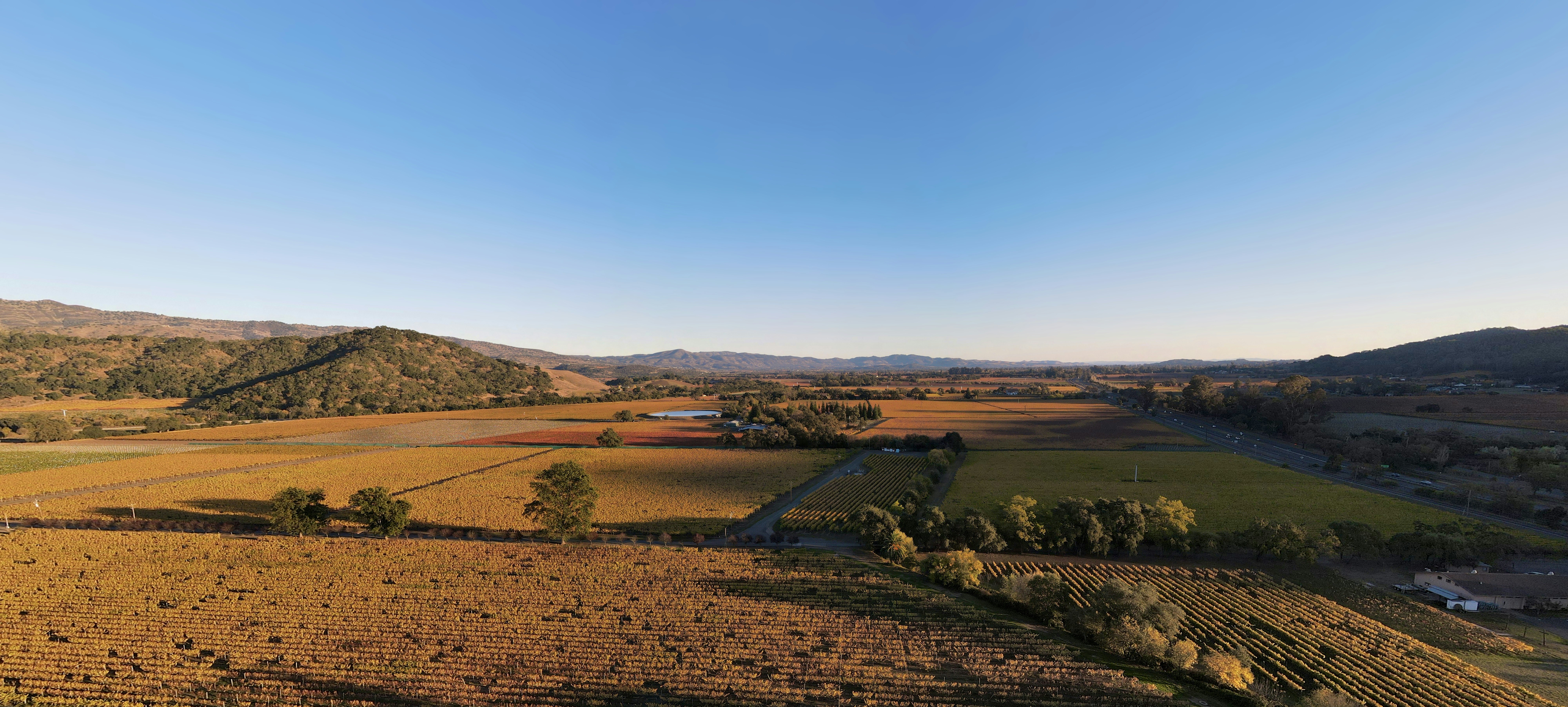
Napa Valley is about thirty miles long and a few miles wide, and it holds hundreds of wineries. That is the problem: with so many choices, most visitors end up in whichever tasting room has the biggest sign. A good Napa day is the opposite. You choose a theme, book a small number of appointments, and spend the rest of the time looking at the valley instead of at your phone.
This is the short, practical guide to doing that, with links to our deeper reads on each theme.
Decide What You Actually Want
Napa suits three kinds of day, and they are best not mixed. A classic tasting day is four small stops with a good lunch, and it is what Classic Castle Napa Valley Experience is built around. A trail day follows the Silverado Trail, the quieter road that runs the length of the valley parallel to Highway 29, and The Silverado Trail Experience is that day with a local who knows the family-run estates. A special-occasion day pairs wine with food; Custom exclusive Napa Valley wine and culinary experience is a custom wine and culinary experience built for that.
The Silverado Trail Versus Highway 29
Highway 29 runs through the middle of the valley and has the best-known names, the traffic and the weekend crowds. The Silverado Trail runs along the eastern edge, with fewer tour buses, a more relaxed pace and views of the hills. If you only have one day, split it: start on the Trail, where the tastings are calmer, and finish at a Highway 29 winery in the late afternoon when the day crowds have thinned. Our longer read on the Silverado Trail goes into detail.
The Castle Experience
One of the more unusual stops in the valley is a winery built as a medieval-style castle, with towers, a moat and a barrel cellar dug into the hillside. It is a theatrical contrast to the standard tasting room, and Classic Castle Napa Valley Experience is a guided version of it. We wrote about why it works in our castle tastings guide.
Premium Wineries Without The Planning
If you want the headline estates without negotiating reservations yourself, Premium Wineries In The Heart Of Napa Valley covers premium wineries in the heart of the valley, and The Heart of Napa Valley Wine Tasting is a classic tasting of the heart of Napa. Most wineries now require reservations, especially at weekends and in harvest season, so a guide who has the appointments booked saves a lot of time.
Beyond Napa — Sonoma And Livermore
If Napa is booked up or you want a quieter option, Sonoma Classics: A 3-Winery Custom Journey is a three-winery custom journey in Sonoma, which tends to be more relaxed and less expensive, and Private Livermore Valley All Inclusive Wine Tour is an all-inclusive private tour of the Livermore Valley, the oldest wine region in the Bay Area and an easy drive from San Francisco.
How To Do It Without Driving
Do not drive yourself between tastings. A tasting day usually means four or five pours, and California takes drink-driving seriously. Book a guide, or a private driver, or arrange for one person to stay sober. All the experiences linked here include the driving.
When To Go
Harvest, from late August through October, is the most atmospheric time, with grapes arriving at the wineries and the vines turning gold in the autumn. It is also the busiest and most expensive time. Spring brings green hills and mustard flowers between the vines, with milder crowds, and winter is quiet and cheap. Summer days are hot, so morning appointments and an afternoon in the shade work best.
Plan A Weekend Or Choose Your Group
For a full itinerary, our guide to a perfect weekend in Napa covers two days. For the question of how many to bring, couples versus groups is the one to read, and the mistakes to avoid will save you time and money. If you want the reasons behind the valley’s reputation, why Napa is the world’s most iconic wine destination is the one.
Browse all United States experiences on imerzn →
Come curious. Leave knowing. Stories, Not Stops®
— The Curious Traveller