London and Beyond: The British Museum Before Lunch, Then Oxford, Bath and Stonehenge With a Local
By Curious Traveller ·
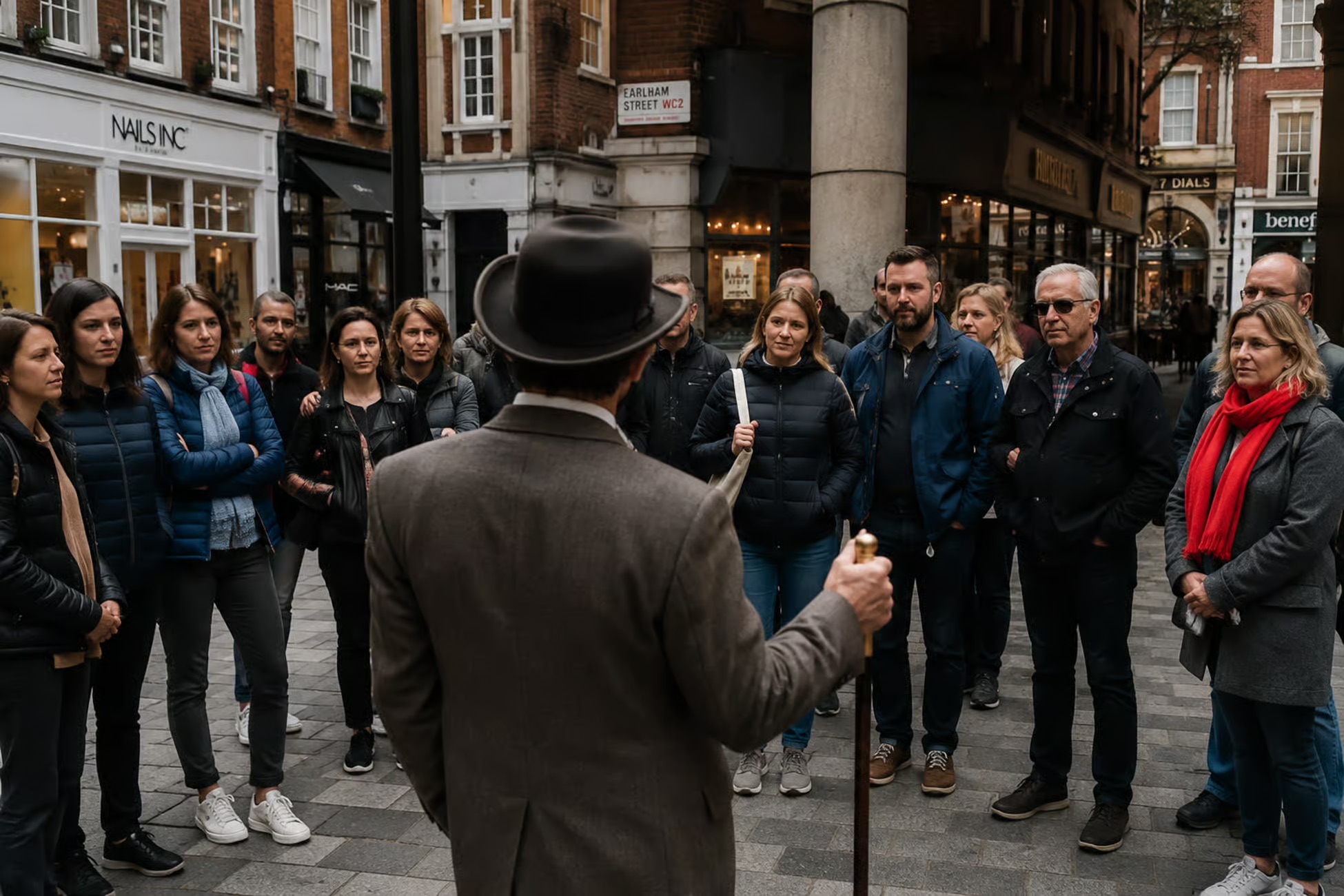
London is the easiest big city in the world to do badly. The museums are free, so people wander them without a plan; the day trips are famous, so people take the coach that stops at all of them for forty minutes each. The fix for both is the same: go with somebody who knows the building or the road, and do fewer things properly. This is two days in London and three days out of it, each with a local on the ground.
Day One — The British Museum Before Lunch, The National Gallery After
Both museums are free and both open at ten. The British Museum is calmest in the first hour and the Rosetta Stone room is unbearable after noon, so start there, see three rooms well, and leave. Trafalgar Square is a fifteen-minute walk, and the National Gallery is small enough that a focused hour covers the Turners, the Van Goghs and the Caravaggio. Pick the rooms before you go in; in a building with eight million objects, wandering is how a morning disappears.
In the afternoon, Westminster Abbey runs free choral evensong most days; 3-hour: Free Recital at the Abbey, Guided Tour Outside (ENG) pairs the service with a guided walk of the precinct outside, which is the cheapest way to hear the building rather than just look at it.
Day Two — A Theme, Not A Checklist
London’s best walking tours follow one thread through many neighbourhoods. The Agatha Christie walk, Agatha Christie Walking Tour with Coffee & Quiz, moves from Bloomsbury to the Strand through the hotels and stations she used, with a coffee stop and a quiz at the end; it is two hours and it teaches you the geography of central London better than a map. For a longer and more cinematic version, 007 James Bond's London Private Half Day Tour takes the Bond locations by private car from Whitehall to the river, and is the right choice with teenagers in the party.
Day Trip One — Oxford With A College Insider
Oxford is an hour by train, and the colleges keep different opening hours, some only in the afternoon, some closed to visitors during exams. A guide who knows which quads are open today saves the whole visit. Oxford private walking tour is a private walk through the colleges, the Bodleian and the covered market with that knowledge built in. If the party includes anyone who grew up on the films, Footsteps of Harry Potter in Oxford goes through the Christ Church hall and the Divinity School that doubled for Hogwarts, and does it without the crowds that the self-guided version attracts by noon.
Day Trip Two — Stonehenge In The Morning, Bath On Its Own Day
Stonehenge and Bath are usually sold together on a coach, and the coach version is why people come home underwhelmed: ninety minutes at each, timed for the busiest hour. Stonehenge wants the first timed-entry slot of the morning, when the stones are in low light and the visitor-centre shuttle is empty; J.R.R. Tolkien's Oxford and Stonehenge Private Tour pairs that slot with Oxford rather than Bath, which is the better geography from London and gives the afternoon to the colleges. Bath then gets a day of its own: the Roman Baths and the Royal Crescent are a walk apart, the city is better the later it gets, and Bath Private Guided Walking Tour is the two-hour walk with a local that joins the Georgian streets to the Roman ones.
If You Can Add A Night — Edinburgh Or York
Edinburgh is four and a half hours by train and the Old Town is best read as one long story from the Castle down the Royal Mile to Holyrood. Castles & Cobblestones: Private Full Day Edinburgh Walking Tour is the full-day private walk that tells it, and Edinburgh private walking tour covers the same ground in a half day if you arrive at lunch. York, two hours north of London, is the better choice for a single day: Viking, Roman and medieval layers within the walls, and Original York Walks: Private Viking, Roman & History Experience walks all three with someone who lives inside them.
When To Go, Rail Tickets And Timed Entry
May, June and September are the best months for this itinerary: long days, the colleges open, the Stonehenge mornings bright. Late May and most of June are also exam season in Oxford and Cambridge, when some colleges close to visitors entirely, which is one more reason to go with a guide who knows today’s list. July and August are busiest at every site in this post. Winter is cheap and the museums are empty, at the price of dark by four.
Train fares in Britain are the thing that surprises first-time visitors most. Advance tickets go on sale up to twelve weeks ahead and can cost a third of the walk-up fare; off-peak returns after 9:30 on weekdays are the next best thing. Inside London, tap in and out with a contactless card or phone and the daily fare caps itself; nobody needs to buy an Oyster card any more. Stonehenge is timed entry and sells out in summer, and the first slot is the one worth having.
Money, Tipping And The Free Museums
The national museums are free, and they are free because the donation boxes at the door fund them, so put something in. Restaurants in London increasingly add a service charge of 12.5 percent to the bill; when it is there, nothing more is expected, and when it is not, ten percent is normal. Pubs do not expect tips. Cards work everywhere, including market stalls and buses, and cash is rarely needed. For the day trips, lunch in Oxford or Bath is cheaper and better in a pub than anywhere near the sights, and a guide will walk you past the ones aimed at coaches.
Where To Sleep — Bloomsbury Vs Southbank Vs Shoreditch (Honest Tradeoffs)
Bloomsbury is walking distance from the British Museum and both main northern stations, which makes it the practical base for the day trips; it is quiet at night. The South Bank puts you between the Tate Modern and Borough Market with the river as your morning walk, and the rooms cost more for it. Shoreditch is the cheapest of the three with the best food and the latest nights, at the price of a twenty-minute Underground ride to everything in this post. For a first visit with day trips, Bloomsbury wins.
Featured UK Guides On imerzn
UK is one of imerzn’s deepest markets, with 967+ bookable experiences run by vetted local operators. A few worth knowing about, each linked to one of their listings:
Things To Do In the UK
imerzn currently lists 967+ bookable experiences in the UK. Five worth knowing about — every one is bookable through a vetted local partner, no third-party middleman:
Browse all UK experiences on imerzn →
Come curious. Leave knowing. Stories, Not Stops®
— The Curious Traveller
Read more from The Curious Traveller on the imerzn blog. Learn about imerzn’s mission on our about page.