Brazil Beyond the Beach: Rio at Sunrise, Salvador's Old Town, the Amazon at Manaus and Iguazu from the Brazilian Side
By Curious Traveller ·
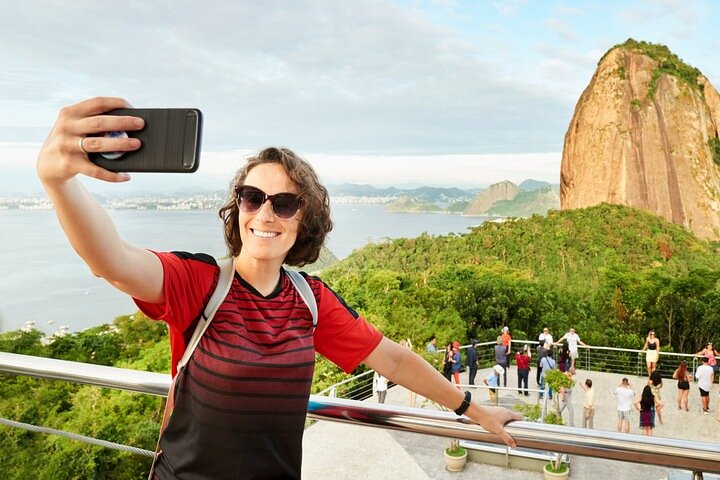
Brazil is the size of a continent, and most first visits make the same mistake: Rio for the beach, a flight to the Amazon, and a lot of time in airports in between. The country rewards a smaller plan. Pick Rio as the base, add one place that feels completely different, whether that is Salvador’s old town or the jungle at Manaus, and give each stop enough days to feel like somewhere you have been.
This guide follows that plan: Rio first, then the coast to the south, then Salvador, the Amazon, Iguazu and a word on São Paulo. Every stop has a local guide or operator behind it, linked below, and every section carries an honest note on when and how to go.
Rio de Janeiro — The Postcards, Done Early
Rio’s big sights, Christ the Redeemer, Sugarloaf and the old centre, are as good as the photographs and as crowded as the photographs suggest. The trick is to be there early. 10-hour Private Tour Rio In One Day: Christ, Sugarloaf, Selarón, Downtown is a ten-hour private day that links Christ, Sugarloaf, the Escadaria Selarón steps and downtown in one go, and Dona Marta's sunrise, undisturbed Christ the Redeemer and more goes up for sunrise via the Dona Marta road to see the statue with far fewer people around it. For a view from the water, Brazil Imperial, Rio: Fiscal Island and Guanabara Bay Boat Tour crosses Guanabara Bay to Fiscal Island, the nineteenth-century palace that sits in the harbour.
If you want to stretch your legs, Hike Two Brothers Hill and Vidigal Favela (Shared Group) climbs Two Brothers Hill through the Vidigal neighbourhood, with views over the whole coastline, in a shared group. In the months before Carnival, the samba schools open their rehearsals to visitors, and Rio Carnival Rehearsal: Samba School, Culture, Traditional Music & Dancing is a night with the music, the dancing and the community behind it. It is closer to the real thing than a ticketed show.
Eating In Rio — Caipirinhas, Churrasco And Cooking Classes
Brazilian food is better understood by cooking it. 3hr Brazilian Seafood BBQ Class with Unlimited Caipirinhas in Rio is a three-hour seafood barbecue class with caipirinhas, and Brazilian Cocktail Class in Ipanema: 6 Drinks & Sunset Cheers teaches the cocktail side in Ipanema, at sunset, with six drinks to make and taste. Between them, they cover the two things most visitors come for, the food and the drink, with a local host who explains what you are eating.
Angra, Ilha Grande And Paraty — The Green Coast
Two to three hours south of Rio, the coast turns into a run of forested bays and islands, and it is one of the best escapes in Brazil. Angra & Ilha Grande From Rio: Boat Tour With Barbecue and Drinks is a boat day from Rio to Angra and Ilha Grande, with a barbecue and drinks on board. Paraty, a little further on, is a well-preserved colonial town with cobbled streets that flood at the highest tides, and it is best seen on foot: Walking Tour - The Best of Paraty city center is a walk through the centre, and Schooner Tour to Paraty Islands is a schooner tour of the islands off the coast. Give it two nights if you can, because the day trip from Rio is long.
Salvador — The Old Centre And Bahian Food
Salvador was Brazil’s first capital and is the centre of Afro-Brazilian culture, which you will notice in the music, the food and the religion. The historic centre, the Pelourinho, is a hillside of colonial churches and pastel houses, and Salvador Historical City Center Tour walks it with a guide who can place it in history. Bahian cooking is its own tradition, with palm oil, coconut milk and seafood, and 4h Cooking Class in Salvador with 9 Recipes & Bottomless Drinks is a four-hour cooking class with nine recipes. It is a good first evening, and a good way to learn what the street food is.
The Amazon — From Manaus
Manaus sits where the black water of the Rio Negro meets the sandy Solimões river, and the two flow side by side for miles without mixing. It is the best base for the Amazon, with lodges and river trips for a day or a week. Amazon Dolphin And Meeting Of The Waters With Native Village Tour takes you to the Meeting of the Waters and to see pink dolphins and a native village, and Good Morning Amazon - 1 Night at the Jungle is a night in a jungle lodge, which is the minimum to hear the forest after dark. The water level changes the experience: from roughly April to July the river is high and you travel by boat through flooded forest, and from September to November it is low and the beaches and trails appear.
Iguazu — The Brazilian Side
Iguazu Falls are shared between Brazil and Argentina. The Argentine side lets you walk close to and above the falls; the Brazilian side gives you the panorama, the full sweep of the whole system from a long walkway. If you only have time for one, do the Argentine side, and if you have time for both, do the Brazilian side first. Iguaçu: Brazilian Side Falls, Boat Tour, Bird Park – Tickets & Lunch Included covers the Brazilian side, with the boat tour and the bird park, tickets and lunch included. It is a short flight from Rio or São Paulo.
São Paulo And The Northeast Beaches — If You Have The Time
São Paulo is the biggest city in the southern hemisphere, and it is a city for food, art and architecture rather than sights. São Paulo Bike Tour: Avenida Paulista and Historic Downtown covers Avenida Paulista and the old downtown by bike, and Walking Tour São Paulo Center: Historical Process Of The Largest City in Brazil is a walking tour of the historic centre. At the other end of the country, Jericoacoara, on the northeast coast, is a village of sand streets between dunes and the sea, and Jericoacoara Tour in 1 Day covers the highlights in a day, with the sunset dune as the climax.
When To Go, And How To Get Around
Brazil is large enough to have several seasons at once. Rio is hot and humid from December to March, with the best weather in the shoulder months, April to June and September to November. Carnival falls in February or early March, and it is the most expensive and crowded time of the year. The Amazon is wet from December to May and drier from June to November, and both have their charms. The northeast is warm all year, with the best weather from September to February.
Distances are huge, so fly. Rio to Salvador is about two hours, Rio to Iguazu about two, Rio to Manaus about four. Within cities, use ride-hailing apps rather than street taxis, and the metro in Rio and São Paulo for the main routes. Check the visa rules for your passport well before you travel, as they depend on nationality and have changed in recent years.
What It Costs, And The Small Rules
Brazil is not as cheap as it used to be, particularly in Rio during high season, but a day with a local guide is good value. Tipping is around ten percent in restaurants and is often added to the bill as a service charge. Keep valuables out of sight, especially on the beach and in crowded places, carry a copy of your passport rather than the original, and take a licensed taxi or ride-hailing car at night. Sunscreen and a reusable bottle will earn their keep.
Where To Sleep — Ipanema Vs Copacabana Vs Santa Teresa
In Rio, Ipanema is the safest and most polished base for a first visit, with good restaurants and a beach that locals actually use. Copacabana is bigger and busier and has the cheaper rooms. Santa Teresa, the hilltop neighbourhood, is bohemian and quiet, with views over the city, but it is a taxi ride from the beach. In Salvador, stay near the old town or in Barra, and in Manaus, stay in the city centre before heading out to a lodge.
Featured Brazil Guides On imerzn
Brazil is one of imerzn’s deepest markets, with 435+ bookable experiences run by vetted local operators. A few worth knowing about, each linked to one of their listings:
Things To Do In Brazil
imerzn currently lists 435+ bookable experiences in Brazil. Five worth knowing about — every one is bookable through a vetted local partner, no third-party middleman:
Browse all Brazil experiences on imerzn →
Come curious. Leave knowing. Stories, Not Stops®
— The Curious Traveller
Read more from The Curious Traveller on the imerzn blog. Learn about imerzn’s mission on our about page.